Chapter IV · 1907–c. 1925
Captain Charles Miller
Bohemian yachtsman, Catalina voyager, and the man who converted Yankee from sloop to schooner.
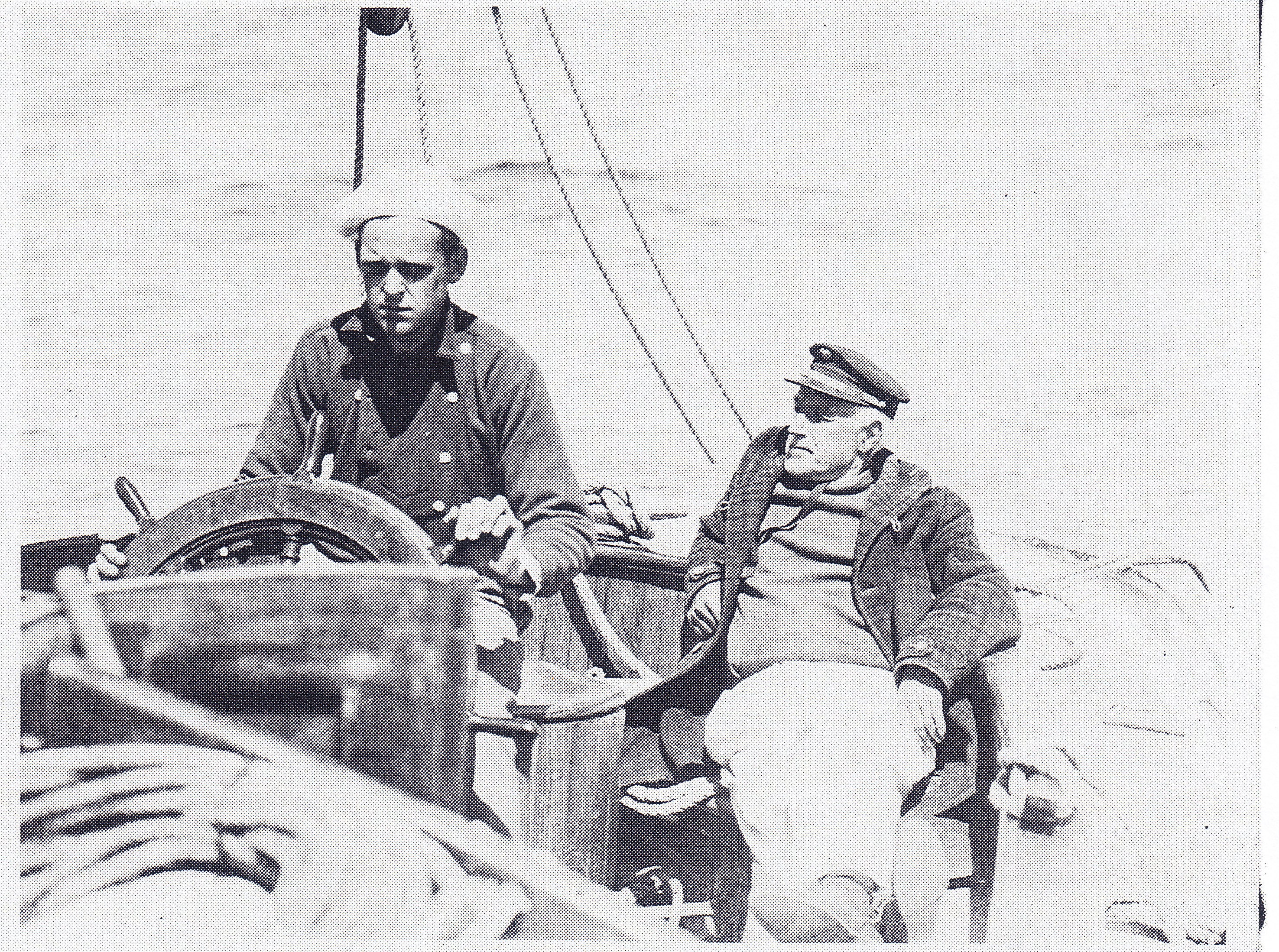
The buyer was Charles E. Miller, a well-known San Francisco yachtsman and member of the Bohemian Club. Miller was a colorful, gregarious figure who loved entertaining friends aboard his boats and wrote accounts of his sailing adventures for the old San Francisco News. He once described Yankee as the sweetest sailing boat he had ever owned — and he owned quite a few.
Miller raced Yankee extensively on the Bay against such well-known yachts as Nixie, Pronto II, Presto, Fulton G., Alert, Mah Pe, and Westward. He also cruised her to Catalina Island and back almost every winter, all without an engine, no small feat along the exposed California coast. In 1910, Yankee won the John Hammersmith Trophy at the Corinthian Yacht Club, and in 1912 she had the fastest time in the Hammersmith race but lost on handicap.
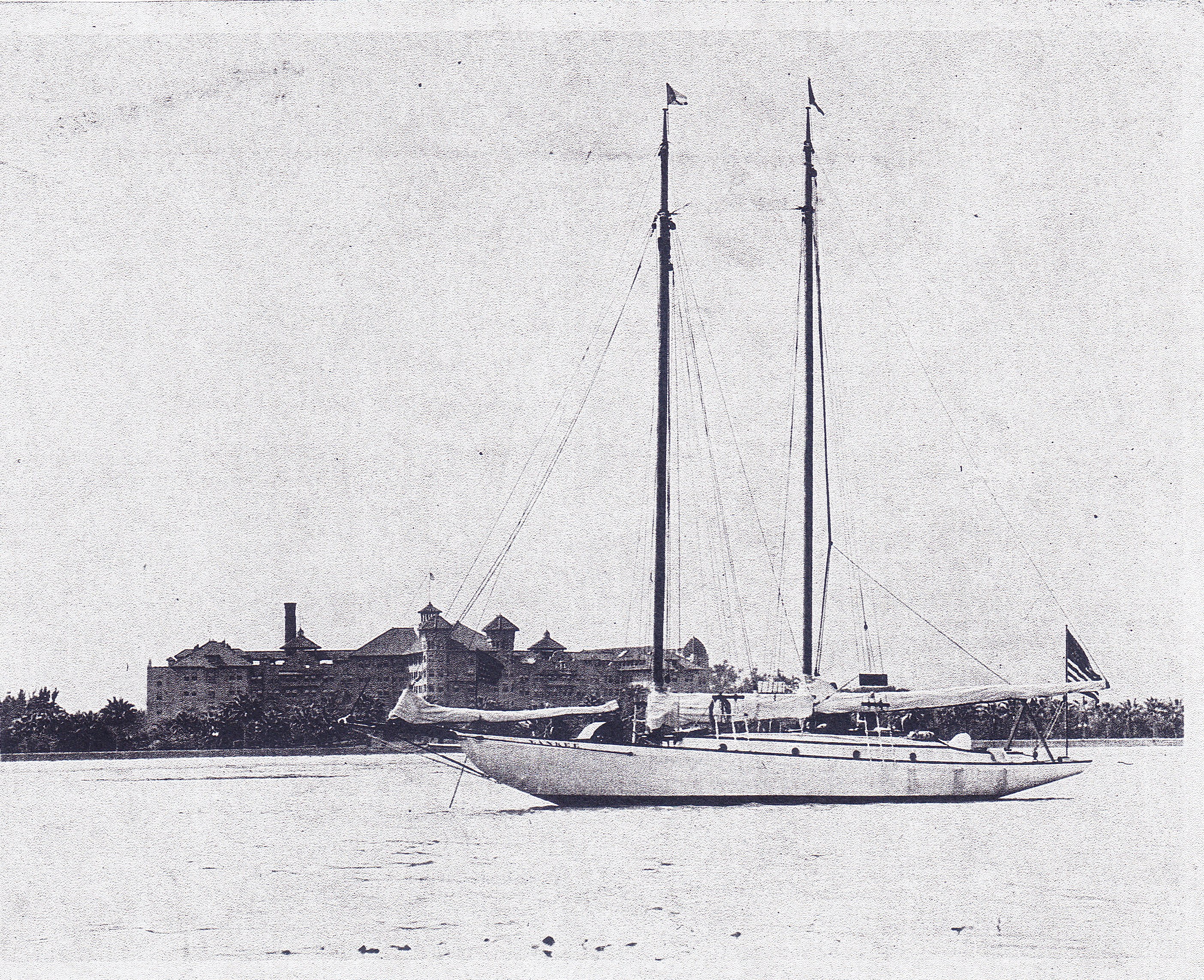
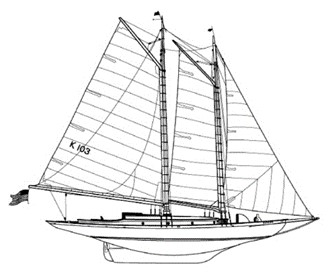
It was Miller who transformed Yankee from sloop to schooner. Around 1911 (McNeill’s account is specific about the year, though other family documents say only “the middle 1910s”), he added a foremast, converting the rig to the gaff schooner configuration she carries today. At the same time, he removed the centerboard, filling the trunk with concrete, and installed a gasoline engine offset to the port side to accommodate the old centerboard trunk. These modifications made Yankee more suited to cruising and more comfortable for the entertaining Miller loved, though they came at the cost of the centerboard’s windward advantage.
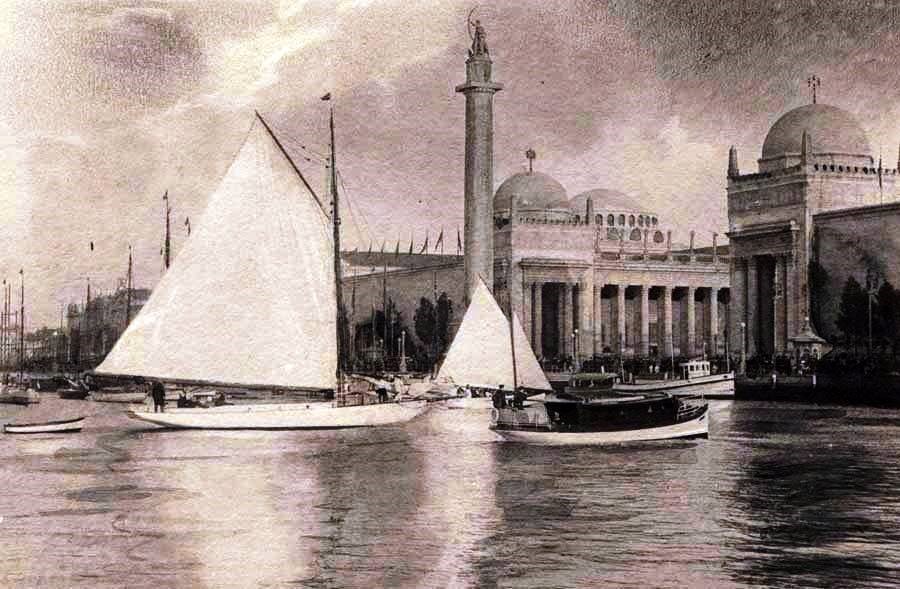
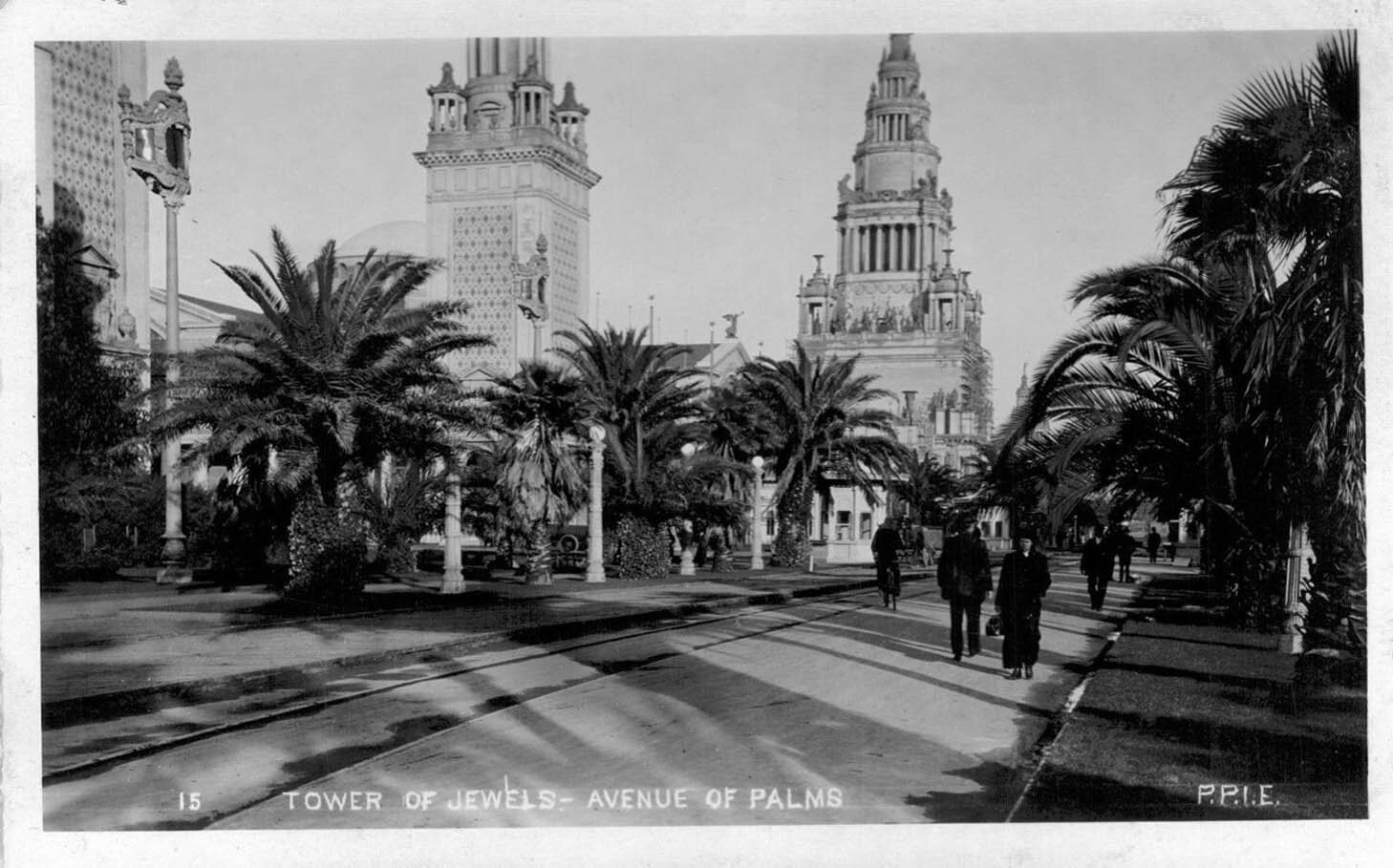
The 1915 Panama Pacific International Exposition brought a poetic turn: the grand fairgrounds rose on the filled-in tidal flats of Harbor View, the very site where Frank Stone’s yard had stood — and Yankee raced beneath them, winning her division in the Exposition’s regatta. The small sterling trophy from that victory, another Shreve & Company piece, had its own odyssey: lost for decades, it surfaced at an estate sale among golf trophies, was recognized by the retired police chief of the town of Ross, and found its way home to the Yankee family. Family records also credit Yankee with winning the inaugural race for the San Francisco Lipton Cup, the trophy Sir Thomas Lipton presented to Bay yachtsmen in anticipation of the Exposition; club histories date that cup’s first contest to 1916, so the honor, if hers, came just after the fair. When the Exposition closed and its buildings were demolished, the reclaimed land became the Marina District, and eventually the location of the St. Francis Yacht Club, within sight of the spot where Yankee’s keel had been laid.
In 1914, a six-year-old boy named Dennis Jordan sailed aboard Yankee with his parents. He would later recall the experience as the turning point that drew him to a life on the water. Jordan went on to become one of the Bay’s most respected yachtsmen, and Commodore of the St. Francis Yacht Club in 1959–60 and again in 1966.
In the autumn of 1923, Yankee had a brief career in the movies, chartered to Goldwyn Pictures for the King Vidor film Wild Oranges (see Chapter X). By the mid-1920s, Miller was no longer using Yankee. She sat mothballed in the basin of the San Rafael Canal, north of San Francisco, with all her spars and sails in storage — waiting, as it turned out, for a boy on a bicycle.